Case Environmental
Case Environmental

Legionella

Legionella in Building Water Systems

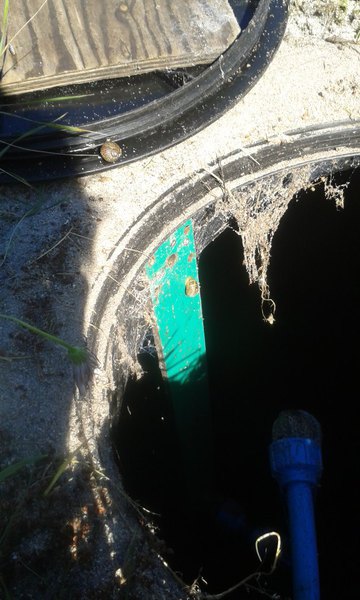
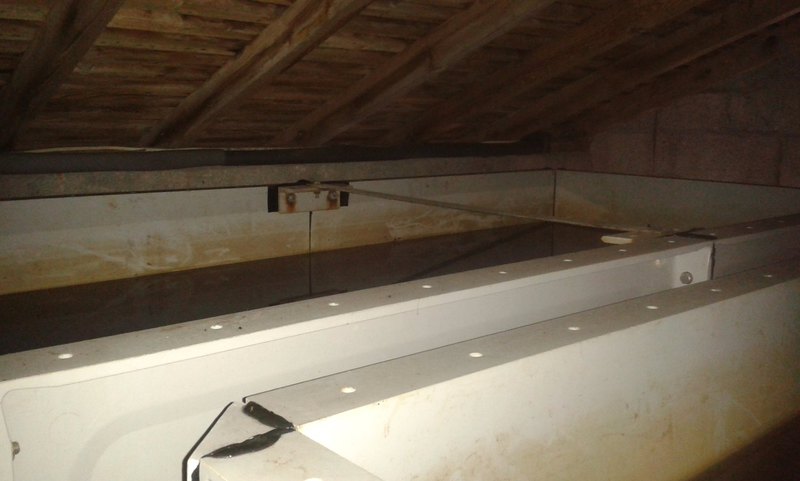
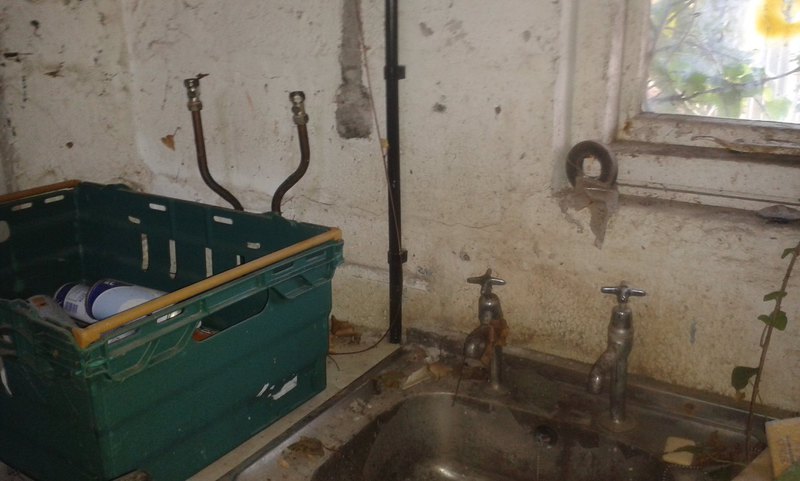
Legionella bacteria naturally exist in low levels within many water sources — but it’s in man-made systems like storage tanks, pipework and domestic plumbing where the real risk arises. Warm, stagnant water, poor maintenance, or underused outlets can all create ideal conditions for rapid bacterial growth.

In buildings, Legionella exposure is typically linked to:

  • Hot and cold water systems
  • Water storage tanks and calorifiers
  • Showers, taps and spa-type facilities
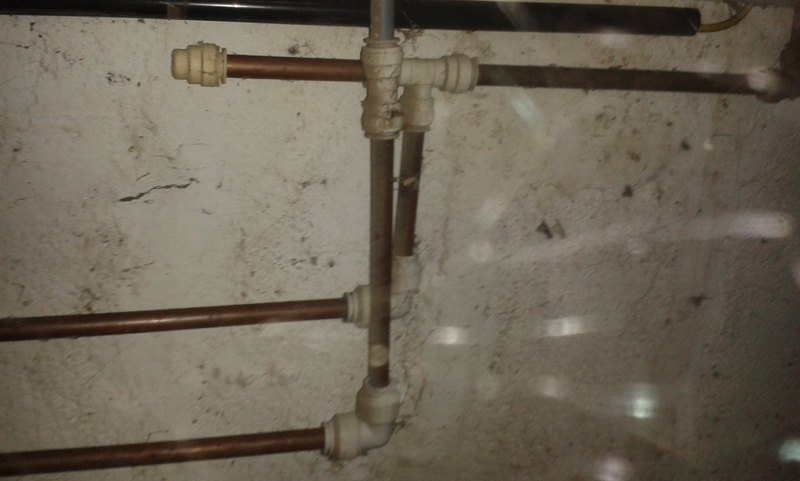
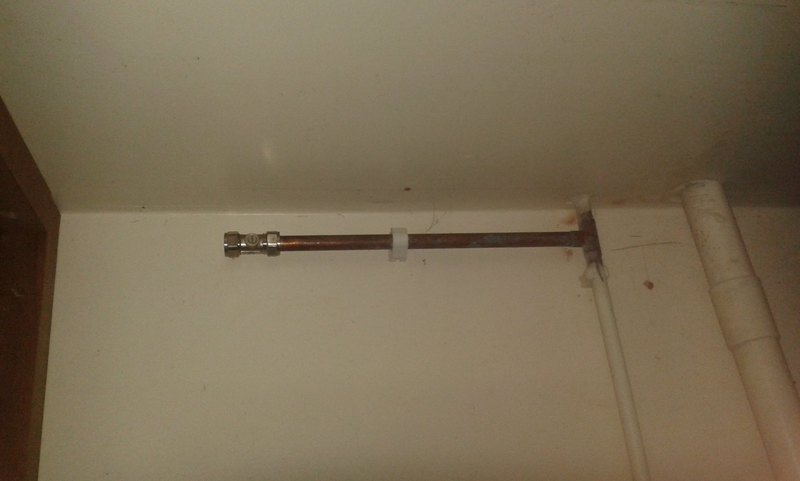
  • Pipework with dead legs or poor circulation

While its presence doesn't guarantee infection, it increases the risk, especially for vulnerable individuals. Severe cases may lead to Legionnaires’ disease, which has been associated with fatality rates of up to 10–20% during documented outbreaks.

Regulatory Obligations

The HSE’s L8 ACOP guidance (Legionnaires' disease: The control of legionella bacteria in water systems, Fourth Edition 2013) sets out the legal duties for landlords, employers and building managers. Despite being a guidance document, it carries legal weight — failure to follow its recommendations can result in prosecution.

Case Environmental supports property professionals by:

  • Carrying out compliant risk assessments
  • Assist in creating logbooks and monitoring protocols
  • Offering in-house training
  • UKAS-accredited sampling
  • Providing legionella consultancy and disinfection to BS8558
Locations covered by Case Environmental include (but are not limited to);

England

Bedfordshire, Berkshire, Bristol, Buckinghamshire, Cambridgeshire, Cheshire, City of London, Cornwall, Cumbria, Derbyshire, Devon, Dorset, County Durham, East Riding of Yorkshire, East Sussex, Essex, Gloucestershire, Greater London, Greater Manchester, Hampshire, Herefordshire, Hertfordshire, Isle of Wight, Kent, Lancashire, Leicestershire, Lincolnshire, Merseyside, Norfolk, North Yorkshire, Northamptonshire, Northumberland, Nottinghamshire, Oxfordshire, Rutland, Shropshire, Somerset, South Yorkshire, Staffordshire, Suffolk, Surrey, Tyne and Wear, Warwickshire, West Midlands, West Sussex, West Yorkshire, Wiltshire, Worcestershire, Bath, Birmingham, Bradford, Brighton & Hove, Bristol, Carlisle, Cambridge, Canterbury, Chester, Chichester, Coventry, Derby, Durham, Ely, Exeter, Gloucester, Hereford, Kingston-upon-Hull, Lancaster, Leeds, Leicester, Lichfield, Lincoln, Liverpool, London, Manchester, Newcastle-upon-Tyne, Norwich, Nottingham, Oxford, Peterborough, Plymouth, Portsmouth, Preston, Ripon, Salford, Salisbury, Sheffield, Southampton, St Albans, Stoke-on-Trent, Sunderland, Truro, Wakefield, Wells, Westminster, Winchester, Wolverhampton, Worcester and York.


Wales

Blaenau Gwent, Bridgend, Caerphilly, Cardiff, Carmarthenshire, Ceredigion, Conwy, Denbighshire, Flintshire, Gwynedd, Isle of Anglesey, Merthyr Tydfil, Monmouthshire, Neath Port Talbot, Newport, Pembrokeshire, Powys, Rhondda Cynon Taff, Swansea, Torfaen, Vale of Glamorgan, Wrexham, Bangor, Cardiff, Newport, St Davids and Swansea.


Scotland

Ayrshire, Dumfries and Galloway, Edinburgh and The Lothians, Glasgow and Clyde Valley and The Borders.

Legionella Factsheet
Legionella Factsheet.pdf
Adobe Acrobat document [430.9 KB]

Contact 

Andy: 07795 518796

Nick: 07522 905005

Office: 01626 249042


info@caseenvironmental.co.uk

Print | Sitemap
© Case Environmental

Call

E-mail